Loading...
Serving American Canyon, CA and surrounding areas. (707) 730-6156
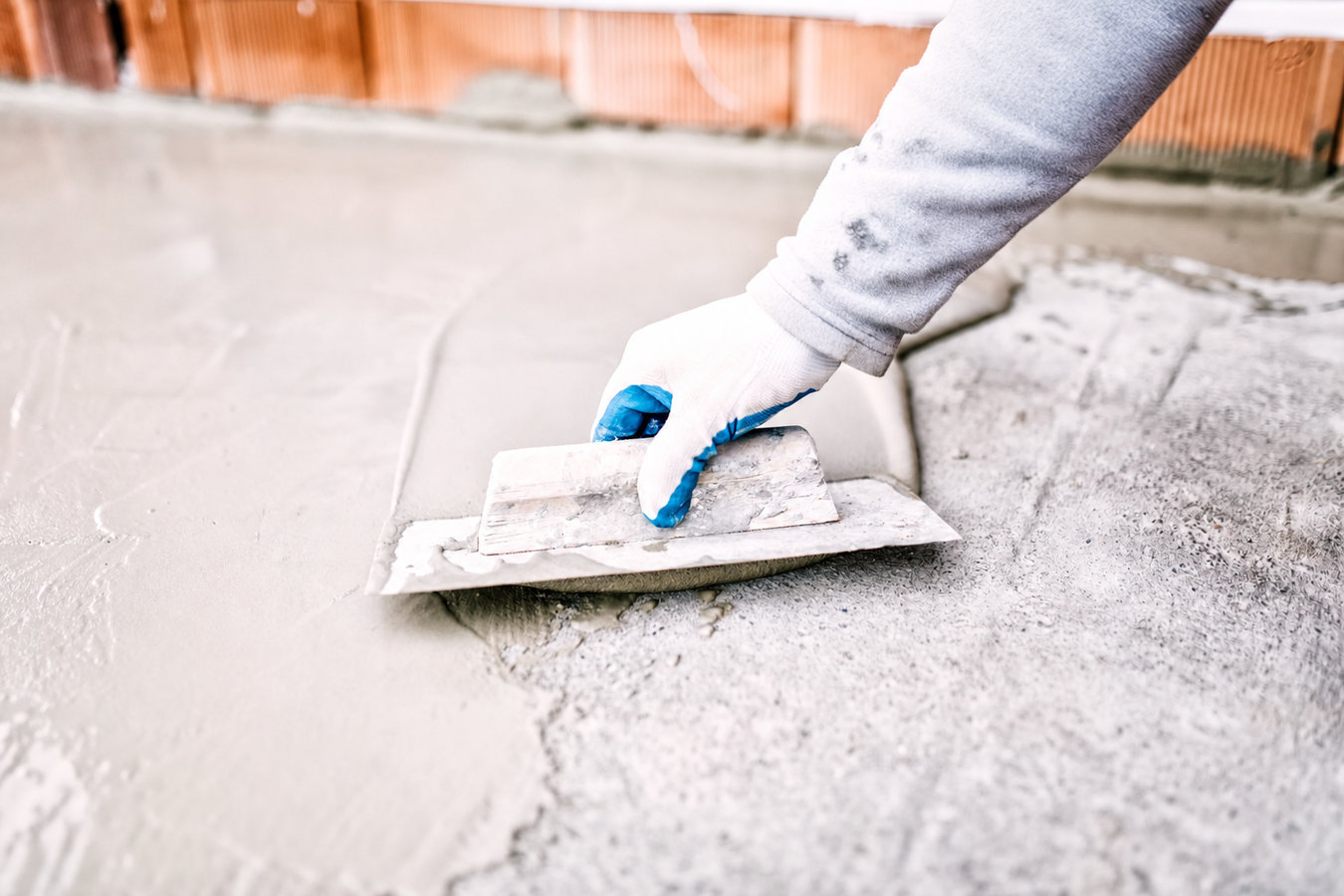
Your floor has dips, cracks, or uneven spots that make new flooring impossible to install correctly. Self-leveling overlays fix the surface without tearing out the slab underneath.
Self-leveling concrete in American Canyon is a specially mixed material that spreads itself out and flows into low spots and uneven areas on its own, creating a flat, solid base ready for tile, hardwood, vinyl, or a decorative finish, with most residential jobs taking one to two days of active work.
Most homeowners who call us about self-leveling work are not dealing with a new floor - they are trying to fix an existing one that has settled, cracked, or developed uneven spots over time. In American Canyon, that pattern is common. The city grew quickly in the 1990s and 2000s, and many homes here were built on slab-on-grade foundations - concrete poured directly on the ground with no crawl space underneath. Those slabs are now old enough to show settling and wear, and the clay-heavy soil in this part of Napa County means movement from seasonal wet and dry cycles has been pushing on those slabs from below for decades.
For floors that need more than leveling - surfaces where the finish itself needs to be replaced along with the base - our concrete resurfacing and overlay service addresses both the substrate and the finish in one project.
If furniture rocks slightly, water pools in one corner after mopping, or you feel a subtle rise or drop as you walk, your floor is no longer level. In American Canyon, this kind of unevenness often develops gradually as the clay soil underneath shifts with the seasons - wet winters cause it to swell, dry summers cause it to contract, and that cycle slowly moves the slab.
When the floor underneath moves, the surface material shows it first. Cracked grout lines, tiles that rock when you step on them, or hardwood planks with gaps between them all point to an uneven subfloor below. Replacing the surface material without addressing the floor underneath will lead to the same problem repeating within a few years.
Hairline cracks in a concrete floor are common and do not always mean structural trouble. But cracks that are widening, have edges at different heights, or run in a pattern across the room are a sign the slab has moved. American Canyon's clay soils are a common cause. A self-leveling overlay can fill and stabilize minor cracking, though a contractor will need to assess whether the movement has stopped first.
Most flooring manufacturers require the subfloor to be flat within a specific tolerance - typically no more than a small fraction of an inch over several feet. If your installer has flagged the existing surface as too uneven, a self-leveling pour is the cleanest solution. Skipping this step and installing anyway can void the warranty on your new flooring.
Every self-leveling job starts with surface preparation - and that step is what separates work that holds for years from work that peels within months. We clean the existing floor thoroughly, grind down any high spots, fill cracks, and apply a bonding primer before any overlay material goes down. We also test for moisture before every pour, because a floor that has moisture migrating upward through the slab - common in American Canyon given its proximity to San Pablo Bay - will cause an overlay to fail even if everything else is done correctly. For projects that involve both leveling and a decorative finish, our pool deck coatings and resurfacing service handles exterior surfaces where waterproofing and slip resistance are the primary requirements alongside flatness. For interiors heading toward a decorative or polished floor, our concrete resurfacing and overlay service provides the finish coat after the leveling base has cured.
We use only California-compliant products - the state has stricter limits than most on the chemicals allowed in coatings, primers, and sealers, and those rules apply to residential concrete work. A contractor who regularly works in Napa County already knows which products are approved and uses them as a matter of course. We can answer specific questions about materials used in your home before any work begins.
Best for homeowners who need a flat, stable surface to install tile, hardwood, or luxury vinyl on top - the overlay is the base, not the finished floor.
Best for homeowners who want the concrete itself to be the finished surface - stained, polished, or textured - rather than a base for another material.
Best for slab-on-grade homes where moisture testing reveals vapor migration - the overlay system includes a barrier coat that blocks moisture before the finish layer goes down.
Best for structurally sound slabs that just look worn and tired - a thin finish coat gives the surface a clean, uniform appearance without adding significant height to the floor.
Two local factors make self-leveling work more involved in American Canyon than in other parts of California. The first is the clay-heavy soil throughout southern Napa County - it shifts with every seasonal wet and dry cycle, which means slab movement is an ongoing condition for many homes here rather than a one-time event. A contractor who pours a leveling overlay without first assessing whether that movement has stabilized is setting the homeowner up for the same problem six months later. We check for active slab movement as part of every site visit, and we will tell you clearly if conditions are not right for a permanent fix. Homeowners in Hercules face similar challenges with slab stability on clay-adjacent soils near the bay.
The second factor is moisture. American Canyon sits just a few miles from San Pablo Bay, and the marine air that moves through the area keeps humidity levels higher than in inland communities - even in summer. Slab-on-grade homes here are more likely to have moisture migrating upward through the concrete than homes in drier areas, and an overlay applied over a wet slab will eventually fail, regardless of how well the rest of the work was done. Moisture testing before every pour is not an optional step in this market - it is the step that determines whether the work will hold. Contractors working in Benicia and other bay-adjacent communities also need to account for similar moisture conditions when specifying overlay systems.
Reach out by phone or through the contact form and we will respond within one business day. We will ask a few quick questions about the room, the floor material, and what you want the finished result to be - enough to know whether a site visit is the right next step.
We walk the floor, check for cracks and unevenness you may not have noticed, and test for moisture before giving you a written estimate. In American Canyon, that moisture test is especially important - a thorough contractor will always do it, and you should be skeptical of one who does not.
The crew grinds down high spots, fills cracks, and applies a bonding primer so the self-leveling material sticks properly. This prep phase often takes as long as the pour itself - it is the most important part of the job, and the noise and dust from grinding are normal and expected.
The leveling material is mixed and poured, spreading and settling on its own. If a decorative finish is part of the project, that work begins after the base has cured. The crew cleans up before leaving and walks you through the cure timeline - including exactly when foot traffic, furniture, and new flooring installation can safely resume.
Free on-site estimate with moisture testing included. Written quote before any work begins. We respond within one business day.
(707) 730-6156Homes near San Pablo Bay have more moisture moving through their slabs than most homeowners realize. We test for vapor emission at every job in American Canyon - before pricing the work, not after. If there is a moisture issue, we tell you upfront and explain your options. An overlay applied over a wet slab will eventually fail, and discovering that after the job is paid for is a problem we want to prevent.
American Canyon's clay soil shifts with the seasons, and a slab that is still actively moving is not a good candidate for a permanent overlay. We assess slab stability before recommending any leveling work. If the movement has not stabilized, we tell you what needs to happen first - not because we want to sell more work, but because applying an overlay over an unstable base wastes your money.
California restricts which coatings, primers, and sealers can be used in residential settings - and not every contractor working in this area knows the current rules. We use only state-approved products. The California Air Resources Board maintains the list of approved architectural coatings, and we stay current with those requirements as a matter of practice.
We break out labor, materials, and prep costs in our estimates rather than giving you a single number that can change mid-project. That transparency protects you from the kind of unexpected add-ons that homeowners complain about most. A licensed California contractor should be verifiable on the Contractors State License Board website - and we are.
The combination of moisture testing, slab assessment, compliant materials, and clear written pricing is what we bring to every self-leveling job in American Canyon. These are not extras - they are the baseline for work that holds up in this market. We stay current with industry standards through the Portland Cement Association guidelines and apply those standards to every project we take on.
Outdoor surfaces around pools need overlay systems engineered for constant moisture exposure and slip resistance - different requirements than interior leveling work.
Learn MoreWhen the goal is a renewed finish surface on an existing slab - not just a level base - concrete resurfacing applies the decorative or protective top coat that completes the project.
Learn MoreSpring and early fall are the best windows for overlay work in the North Bay - reach out now before the summer heat sets in and schedules fill up.